
What your reading slump is actually trying to tell you
You have a rare, no-plans day ahead of you. You pick up the book you’ve been meaning to read for a few days now, only to struggle through the introduction. A week passes. Then three. You still don’t feel like reading. This isn’t like me, you think. Without knowing how (or when, or why…), you’ve found yourself in a reading slump.
Even though reading slumps happen to the best of us, there’s a particular kind of shame that comes along with it, especially in the digital age. Your StoryGraph stats aren’t being updated. You don’t have anything to post on Bookstagram or BookTok. Being a reader who doesn’t read becomes hypervisible.
In this post, we’ll reframe reading slumps as inner signals worthy of being explored. We’ll go through different types of reading slumps, the tips we’re normally given (and why they don’t always work), and everything you can do instead.
Some links are affiliate links to Bookshop.org, and I may earn a small commission. A portion of every sale supports indie bookstores, too!
What does “reading slump” mean?
When you’re having trouble starting or finishing books that you’d normally enjoy, especially for an extended period of time, you’re likely in a reading slump. In my experience, reading slumps can look different for everyone, and knowing when you’re going through one is a personal skill you can develop over time.
The important thing to remember is that reading slumps aren’t forever. “I can’t get into any of my books,” does not automatically mean, “I’m not a reader anymore.”
The fact that you even care shows that you’re still a reader.
One thing’s for sure: the sooner you can name that you’re in a reading slump—and accept it without guilt or shame—the better you’ll feel and the faster you can get on the other side of it.
4 ways to know you’re in a reading slump
Chances are that if you’re here reading this, you’re questioning whether you’re in a reading slump at this very moment.
Here are four experiences you might be having:
- Analysis paralysis: Even though you have plenty of choices, you just can’t choose a new book to read. Every cover you look at and every summary you read makes your decision more confusing, not exciting.
- Slow reading: You’re reading a book you would normally enjoy at a snail’s pace. You accidentally reread the same paragraph over and over again, or maybe you’ve been on page 9 for three weeks.
- Reading avoidance: You don’t reach for your book or ereader as often as you normally would. You open your Kindle three times in one hour, but set it down just as often without reading anything.
- Apathetic reading: No matter what you pick up, reading doesn’t spark joy. In fact, you barely feel anything at all. Every scene elicits the same, “meh.”
What we usually do (and why it doesn’t always work)
I know as well as anyone how stubborn readers can be. After all, we willingly choose to engage in a hobby that’s been systematically underfunded in and outside of schools (at least in the U.S.), and that forces us to use longer attention spans in a world where short form content is king.
That’s why as soon as we get a whiff of a reading slump on the horizon, we try to stamp it out as soon as possible.
Here are some of the most common strategies for combatting a reading slump:
- DNF the book causing the reading slump.
- Listen to an audiobook instead.
- Switch to a different genre from your previous book.
- Read something shorter, or easier.
At face value, there’s nothing wrong with these recommendations. I’ve tried them all myself, and sometimes they actually work. The problem is that too often, they don’t. Why?
Sometimes, the problem isn’t that you don’t want to read—it’s that you’re trying to read the same way you did in a different season of life. Just as our routines, energy levels, and interests shift throughout the year, our reading lives do too.
What type of reading slump are you in?
Not every reading slump is created equal, and finding out the cause of yours is the first step to overcoming it. Here are four types of reading slumps, and what they’re trying to tell you:
The depletion reading slump

Oddly enough, sometimes a reading slump has very little to do with reading at all. When your full-time job is draining you, when you’re going through a period of immense change, or even when the news cycle won’t stop, doing the hobbies that normally bring us joy can be very difficult.
After all, reading requires something of us—our sustained attention, emotional capacity, time, and ability to analyze—even when we love it dearly.
This is one of the hardest reading slumps to get out of quickly, because the problem isn’t the book. When you’re experiencing burnout and trying to keep your head above water, you might not have anything left to give the reader in you.
How to get out of a depletion reading slump
This slump is telling you two things. First, allow yourself to rest. Take as many things off of your plate as you can, and invest in resources that give you time back. For me, that often looks like asking my loved ones for help, allowing myself to “do nothing” without guilt, and scaling back my social calendar.
Second, explicitly give yourself permission not to read. This could be for as little or as long as you want, without guilt or pressure.
Eventually, you’ll feel an inkling to pick up a book, and that will be your sign. Your reading will return when your bandwidth does!
The performativity reading slump
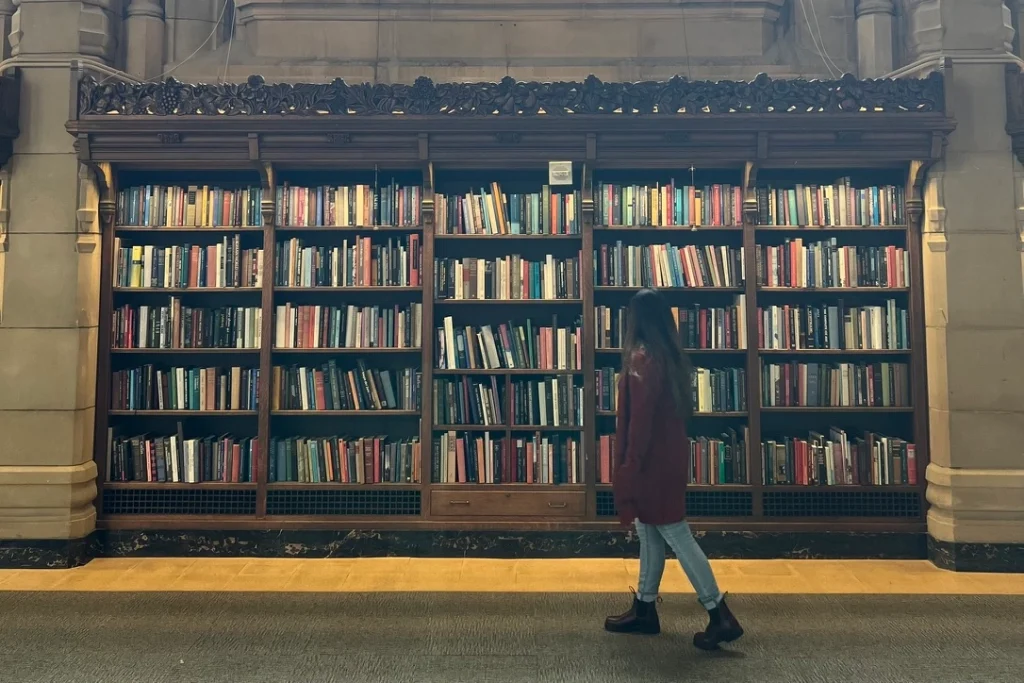
Reading in the 21st century also means taking part in many of the things that signal to others that we’re readers. That’s not always a bad thing—in fact, it’s one of the easiest ways to find community in this space.
As readers, we love both analog and digital ways of logging our books by using trackers, journals, reading apps, and more.
But somewhere in between updating Goodreads, drafting a #currentlyreading post on Bookstagram, and writing in a reading journal, you realize that the self-imposed to-do list that comes along with each book is exhausting to keep up with.
The social performance of reading becomes overwhelming, and before you know it, you’re in a reading slump you can’t get out of.
How to get out of a performativity reading slump
Let’s get uncomfortable for a second.
When was the last time you read something for yourself, that no one but the people you see in real life know about, and that you didn’t track?
This reading slump is pushing you to read something without posting about it. See what it’s like to not update your trackers, journals, or apps. Let yourself experience what it’s like to read without an audience.
Who knows? You might like it so much that you end up planning a social performance detox every few months!
The recommendation fatigue reading slump
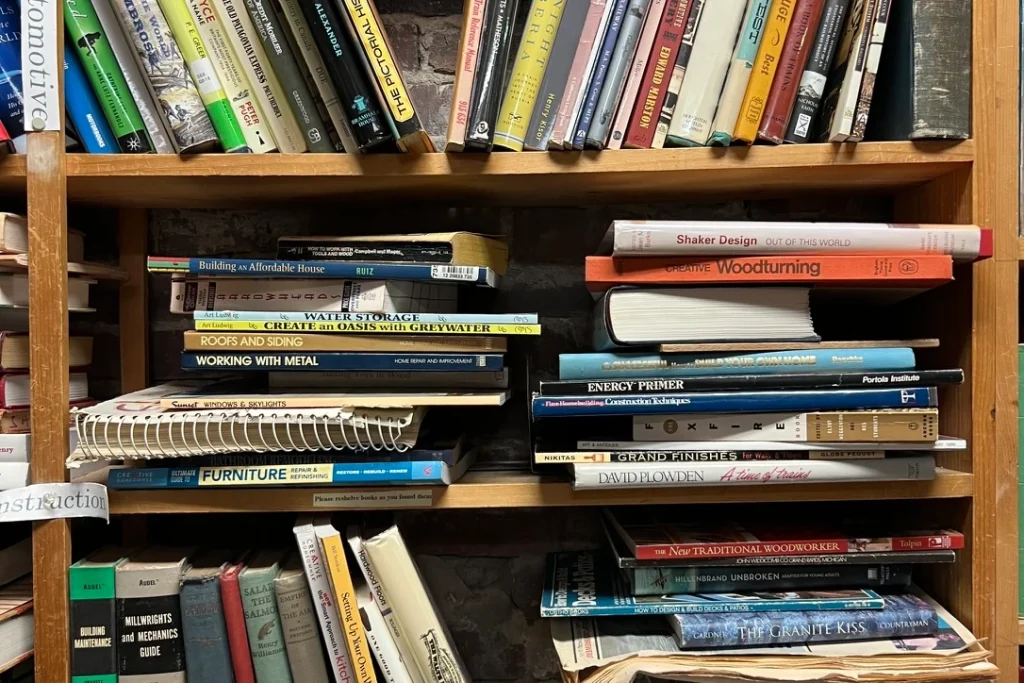
FOMO in the book community is so real. We’ve all read a book that was highly recommended online, that everyone swore was the book of the year, and of course there’s also a movie adaptation coming out, so now we have to read it!
Unfortunately for you, it was just hype. At best, it was alright. At worst, you hated everything about it. Now instead of feeling excited about your list of BookTok recommendations, you feel skeptical.
What if everything else on the list sucks, too? That low-grade mistrust quickly ushers in a reading slump.
How to get out of a recommendation fatigue reading slump
You’ve let others dictate your taste, and now you’re paying the price. This reading slump is telling you to regain trust in yourself as a reader.
Because here’s the thing: You don’t need the consensus of the internet to help you choose what to read next.
Try reading a backlist title that you’ve never seen before. Visit your local indie bookstore and buy a recommendation from a bookseller. Go to your public library and (finally!) judge a book by its cover.
If you want to challenge yourself big time, don’t look up the summary, reviews, or ratings of the book before you buy or borrow it.
Over time, you’ll be able to identify the specific genres, writing styles, plots, character arcs, and authors that you enjoy the most.
The book hangover reading slump
You finish reading a book that may have changed your life. After it snaps shut, you sit there in silence for a minute, maybe two. The final chapter marinates in your mind as you mull over the last few words of dialogue, the satisfying character arc, and how every single plot hole was resolved.
The book was so unbelievably, satisfyingly good that you don’t know how any other will measure up. You naturally want to jump right into another, because being a reader is part of who you are, but you’re not ready to move on.
This may be the only reading slump that’s caused by a good thing.
How to get out of a book hangover reading slump
Instead of reading something else, this reading slump is telling you to stay with your last book a little bit longer. It’s so special to find a book that forces us to linger, embedding itself in the very fabric of our reading journey.
Here are some of my favorite ways to keep engaging with a beloved book:
- Take a moment to reflect: Annotate your favorite quotes, or copy and paste your Kobo highlights into a digital reading journal. Write a book review with pen and paper, then add character to it with stickers, doodles, and highlighters.
- Reread it: Revisit your favorite passages or chapters. Engage with it through a different medium, like an audiobook. Or just simply reread it the same way you read it the first time!
- Find community: Tell people in your life about the book. Ask them to read it too, so that you can discuss it with them. Watch Youtube reactions from your favorite book bloggers. See if the author has any events coming up that you can attend.
Five books for when you’re ready to get out of a reading slump
The first book we pick up at the tail end of a reading slump has an important role to play. I normally gravitate towards: fast-paced cadences, mysteries or thrillers, comforting reads, or ones with very immersive worlds.
Here are five books to help you recover from a reading slump:
The Thursday Murder Club by Richard Osman

Genre: Cozy mystery
Four retirees who investigate cold case murders stumble upon their first real case when someone in their retirement village is murdered. Osman’s witty dialogue, humor, and exploration of friendship makes this the perfect combination of mystery and comfort.
The Hunger Games by Suzanne Collins
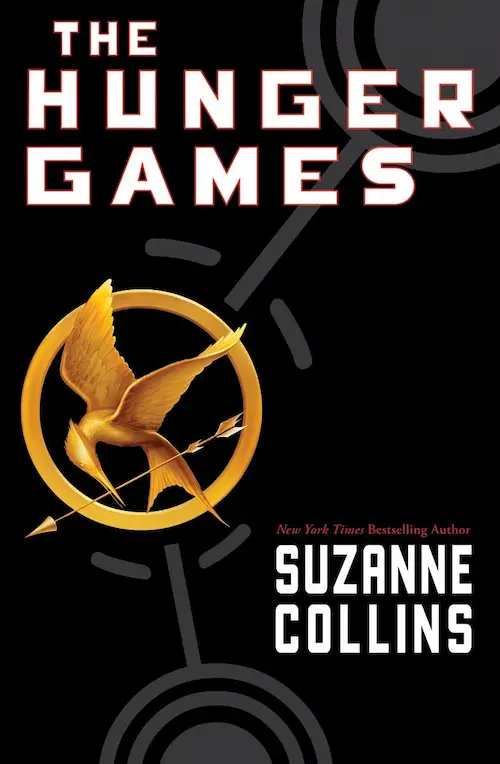
Genre: Young adult, Science fiction
Katniss Everdeen volunteers to take her sister’s place in the annual Hunger Games, a tv competition where 24 teenagers fight to the death. A successful movie franchise for a reason, this trilogy forces us to reckon with the ethics of violence and social inequality.
The Last Murder at the End of the World by Stuart Turton
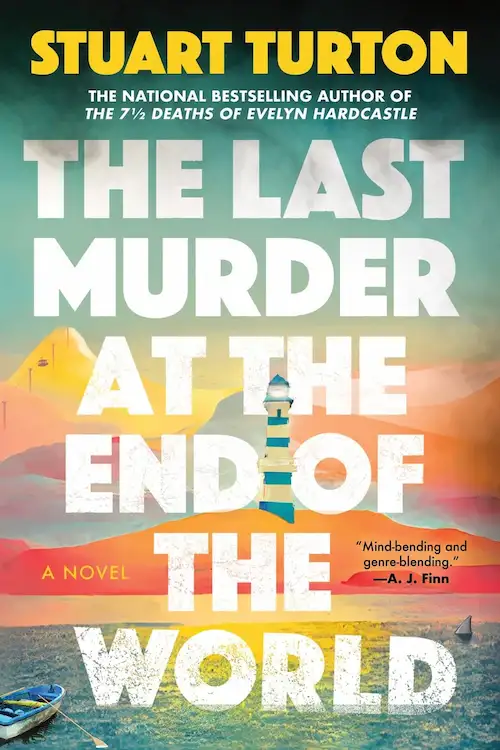
Genre: Science fiction
Turton expertly drops us into a story where the characters—and the reader— are uncovering in real time why a beloved community member was murdered, and who could have done it. You’ll easily plow through this one in hopes that the villagers uncover the truth before the end of the world.
I’m Glad My Mom Died by Jennette McCurdy
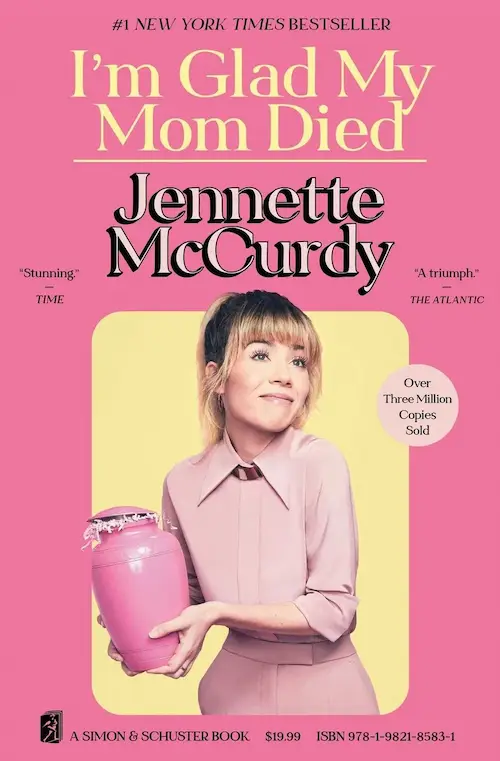
Genre: Memoir
This former Nickelodeon child star details her eating disorders and mental health struggles as a result of her abusive relationship with her mom and child stardom. As dark as it is relatable and funny, you’ll like this one even if you have a fantastic relationship with your mom.
Wuthering Heights by Emily Brontë
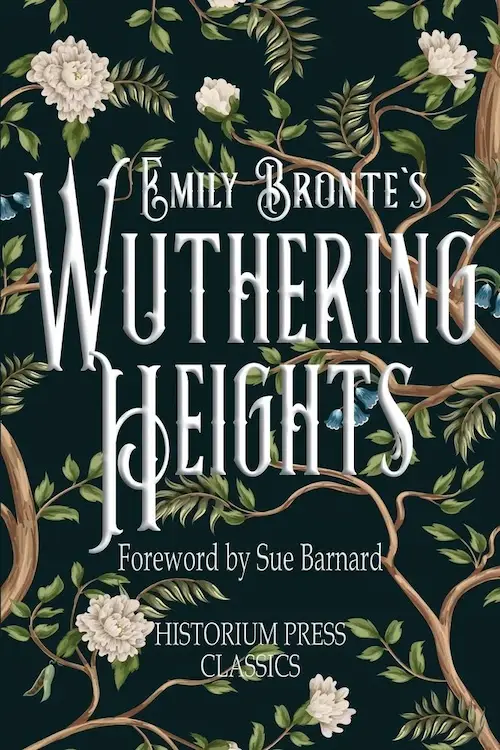
Genre: Gothic fiction, classic
Incorrectly seen as a romance in popular culture, Brontë’s singular novel explores what happens when two people are driven apart by social class and racial divides. The emotional intensity and irrationality of the characters will draw you in before you know it.
Reading slumps aren’t forever
Whether it’s the unrelenting circumstances of life or reading something so incredible that nothing else compares, knowing the cause of a reading slump helps us navigate the experience with more care and compassion for ourselves.
When we can accept that reading isn’t a performance (because hobbies are meant to be fun!), we can go through a reading slump knowing that it’ll be over before we know it.
But the next time you get hit with one, let yourself return to reading when you’re ready. You’ll be surprised by how soon a new story ends up in your hands.


